
Blog
The Role of Social Interaction in Senior FitnessPrograms

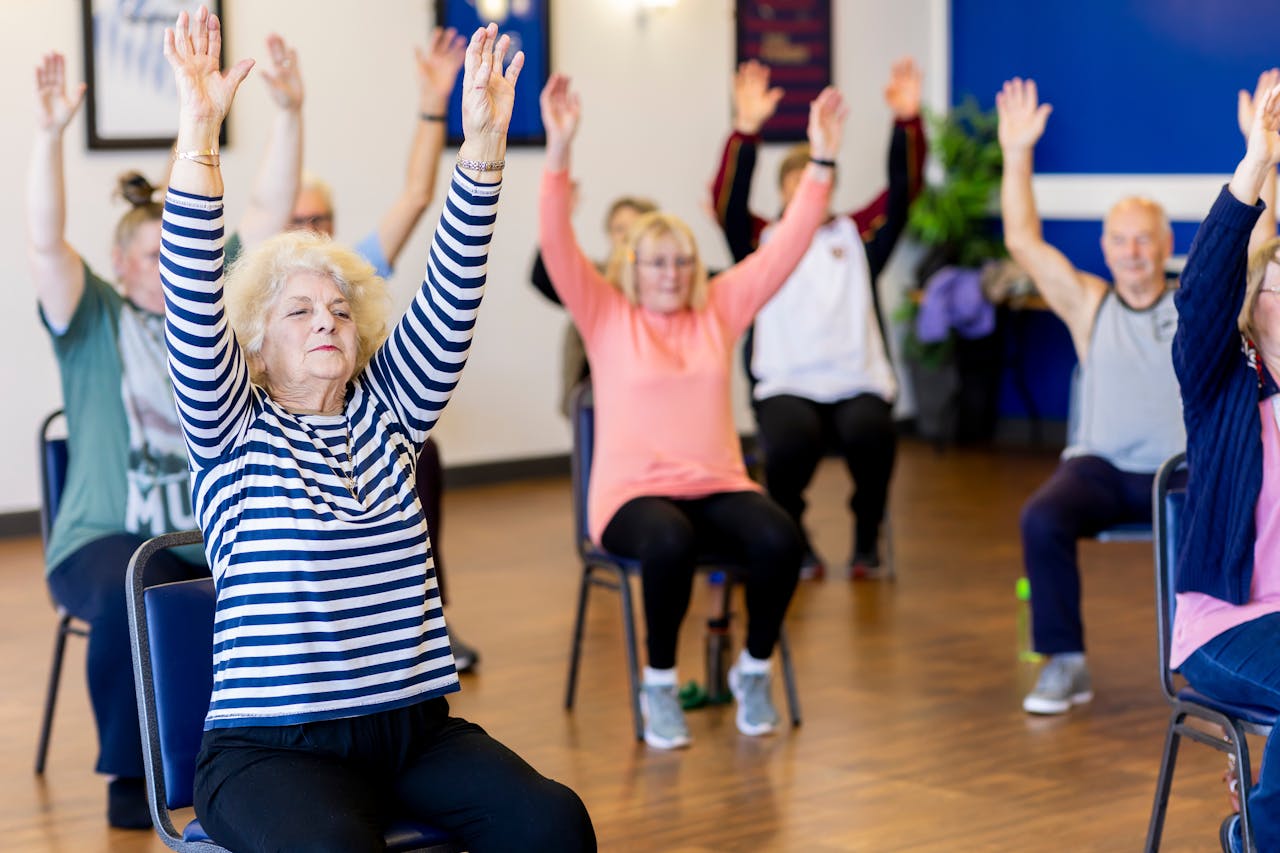
Introduction to Social Fitness for Seniors
Engaging in physical activity with others can significantly enhance the overall exercise experience, making it more enjoyable and increasing motivation. The presence of friends or like-minded individuals can turn a mundane workout into a fun, social event, replete with conversations, laughter, and mutual encouragement. This communal approach to fitness not only boosts physical health but also contributes to emotional well-being by fostering connections and a sense of community. For seniors, in particular, group fitness programs can be a powerful tool in maintaining physical activity levels, combating loneliness, and supporting mental health.
Motivation Through Social Interaction
The dynamic of exercising with others can profoundly impact an individual’s motivation to engage in physical activity. When surrounded by peers, the perception of exercise shifts from a chore to an enjoyable, shared experience. The encouragement and support received from fellow participants can significantly enhance one’s willingness to participate and persevere through challenges. Moreover, celebrating small victories and milestones together can make the exercise experience more rewarding and something to look forward to. Research has shown that seniors who engage in group fitness activities tend to have higher levels of enjoyment and adherence to their exercise routines compared to those who exercise alone.
Building a Fitness Routine
Participating in group fitness programs can help seniors establish a consistent exercise routine, which is crucial for maintaining physical health and functional ability. By attending classes at regular intervals, exercise becomes an integral part of daily life, contributing to improved muscle strength, balance, and endurance. These physical benefits can make everyday tasks, such as walking, climbing stairs, or carrying groceries, easier and less daunting. Furthermore, the social aspect of group fitness can provide an added motivation to maintain regular attendance, as the knowledge that others are expecting your presence can make it more difficult to skip sessions. Over time, this consistency can foster a sense of control and confidence in one’s health and well-being.


Reducing Loneliness and Isolation
Engaging in group fitness activities offers seniors an opportunity to meet new people and form meaningful connections, thereby reducing feelings of loneliness and isolation. The social interactions that occur during and after exercise sessions can lead to the development of supportive friendships that extend beyond the fitness class itself. These relationships are vital for emotional health, providing a sense of belonging and connection to the community. By feeling valued and included, seniors can experience an enhancement in their overall quality of life, which is as significant as the physical benefits derived from exercise.
Benefits for Mental Health
Exercising with others not only benefits physical health but also has a profound impact on mental well-being. The social support and camaraderie experienced in group fitness settings can elevate mood, reduce stress, and improve cognitive function. Participating in social fitness programs has been associated with improved mental health outcomes, including reduced symptoms of depression and anxiety, and enhanced overall sense of well-being. By combining physical activity with social interaction, seniors can experience a holistic approach to health that supports both body and mind.
Supporting Overall Health and Well-being
Group fitness programs that incorporate social interaction offer a comprehensive approach to health, addressing physical, emotional, and mental well-being. By providing a supportive environment where seniors can engage in physical activity, these programs help build resilience, confidence, and a sense of control over one’s health. The combination of exercise, social support, and community engagement can lead to improved health outcomes, enhanced quality of life, and a more positive outlook on aging. For seniors, participating in social fitness programs can be a key strategy in maintaining health, independence, and happiness as they age.
Conclusion: The Power of Social Fitness for Seniors
In conclusion, exercising with others can make fitness more enjoyable, increase motivation, and provide a sense of belonging and connection. Group fitness programs offer a unique opportunity for seniors to improve their physical health, combat loneliness, and support their mental well-being. By leveraging the power of social interaction, seniors can experience a more holistic approach to health, leading to improved overall well-being and a higher quality of life. For more information on the role of social interaction in senior fitness programs, visit Here.
Image Credit: fitnessprogramer.com