
Blog
Why accountability feels different for everyone


When it comes to achieving our goals, two words are often thrown around: motivation and accountability. These terms are frequently mentioned by clients, readers, and individuals who struggle to maintain a healthy lifestyle. While they may seem straightforward, both concepts are actually quite complex.
For instance, when someone says they need more accountability, it can mean different things. Sometimes, it’s about having systems and structures in place to support their goals. Other times, it’s about gaining clarity on what they want to achieve and how to get there. Additionally, it can also be about understanding how they respond to expectations, both from themselves and others.
Understanding the Complexity of Human Behavior
There are numerous frameworks and books that attempt to explain human behavior, such as Atomic Habits by James Clear, The Power of Habit by Charles Duhigg, and Switch by Chip and Dan Heath. While these resources provide valuable insights, they are not foolproof and do not fully capture the intricacies of human nature. Instead, they offer a lens through which we can view our habits and struggles, and sometimes, that’s all we need – a fresh perspective to approach things differently.
The Four Tendencies
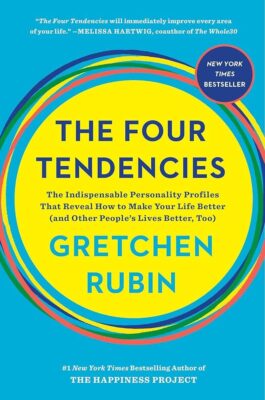
The concept of the Four Tendencies, introduced by Gretchen Rubin, has been instrumental in helping us understand how people respond to internal and external expectations. By recognizing which tendency we lean towards, we can work with our natural inclinations rather than against them. The most common tendency is the Obliger, who excels at meeting outer expectations but struggles with inner ones.
Obligers are the backbone of any team or family, consistently meeting deadlines and commitments while helping others. However, they often neglect their own needs and goals, leading to potential health challenges in the long run. This isn’t a matter of weakness or lack of willpower; Obligers are incredibly capable and get a lot done. The issue lies in their tendency to prioritize others’ needs over their own.
Supporting Obligers
At Nerd Fitness Coaching, we’ve developed strategies to help Obligers succeed. We provide external accountability, Dial Mode adjustments, and tracking systems to reinforce their progress. These tools can be adapted to individual practices, such as working with a coach or workout buddy, using a checklist or tracking system, or building a Dial Mode plan to avoid burnout.
Additionally, reframing goals to benefit others can be an effective tactic. For example, instead of “I’m exercising for myself,” an Obliger might say, “I’m exercising so I have more energy for my kids.” Another approach is to write a letter from your future self to your current self, expressing gratitude for showing up and making progress. This simple technique can help Obligers feel accountable to their future selves and stay consistent.
The Risk of Burnout
Obligers often take on too much, juggling multiple expectations and responsibilities. When it becomes overwhelming, they may hit the “pause button” on some of these commitments, which can lead to burnout. While this might seem like a necessary act of self-preservation, it can backfire. Obligers thrive with some form of external accountability, so eliminating expectations altogether is not the solution. Instead, it’s essential to curate these expectations and find a balance that works.
To avoid burnout, it’s crucial to ask counterintuitive questions, such as “What are the benefits of not moving towards goal X right now?” and “What are the consequences of continuing to move towards it?” By reversing the traditional pro/con list, we can gain clarity on what feels right for us.
Conclusion
Motivation and accountability are not one-size-fits-all solutions. Understanding your tendency and using tools tailored to your needs can significantly increase your chances of success. If you’re interested in learning more about the Four Tendencies, you can take the free quiz by Gretchen Rubin here. By recognizing your tendency and working with it, you can develop a more effective approach to achieving your goals.
Learn more about how to support Obligers and find a personalized approach to motivation and accountability Here
Image Credit: www.nerdfitness.com